
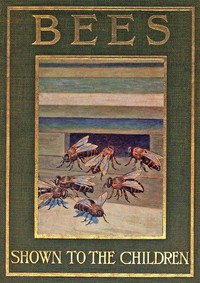
Bees, Shown to the Children by Ellison Hawks
Let's clear something up right away: this isn't a novel. Bees, Shown to the Children is exactly what the title promises—a guided tour. Published in 1914, Ellison Hawks acts as your friendly expert, leading you by the hand from the flower outside your window right into the heart of a beehive.
The Story
There's no traditional plot with characters, but there's absolutely a story. It's the story of the hive's life cycle. Hawks starts with the basics: the different kinds of bees (workers, drones, the queen), what they look like, and the roles they play. He then walks you through the year in a bee's life. You'll see how a hive is founded in the spring, the incredible process of building perfect honeycomb, the intense work of gathering nectar, and the dramatic 'swarming' event where a colony splits in two. He explains the hive's defense, its communication through 'dances,' and how it survives the winter. The conflict here is natural: it's the colony's constant struggle for survival against weather, predators, and the need to grow.
Why You Should Read It
I picked this up out of sheer curiosity about an old book and was completely charmed. Hawks' voice is the star. He doesn't talk down to his young audience; instead, he shares his wonder. You can feel his excitement when describing the queen's mating flight or the geometric genius of the honeycomb. He makes complex ideas simple without making them boring. Reading this in the 21st century adds another layer. It's a snapshot of how nature was explained to kids over a century ago—full of respect and awe, before we had high-tech documentaries. It reminds you that profound science doesn't need fancy jargon; it just needs clear, passionate explaining.
Final Verdict
This book is a sweet, quick read for anyone with a spark of curiosity about the natural world. It's perfect for gardeners, parents looking for a genuine classic to share with kids, or anyone who enjoys beautifully simple science writing. If you like the feel of an old book and the idea of learning from a gentle, enthusiastic guide from the past, you'll find this utterly delightful. Just don't expect a modern field guide—this is a historical artifact that happens to be full of timeless fascination.
There are no legal restrictions on this material. Access is open to everyone around the world.

Sarah Harris
3 months agoThe peer-reviewed feel of this content gives me great confidence.